Workshops are included in your festival pass. There will be something for dancers as well as for musicians (singers). All workshops will be taught in English. Don’t forget to bring clean shoes.
All Saturday workshops will take place at school Chodovická (Chodovická 2250, map here)
See the bus schedule here. On some buses and trains, there will be an organizer or a volunteer who can guide you to the school.
Click here for a pdf map with directions.
Don’t use the main school entrance. Use the entrance from the parking lot, next to a brown gate, just opposite the stairs leading to kindergarten. (It will be marked.)
The Sunday workshop will take place at school Stoliňská (Stoliňská 2440/8), close to Stodola. (It is the school with the sleeping gym.)
Saturday, January 31
Sunday, February 1
- Workshops marked in bold and yellow can be attended even without festival pass (for a voluntary entry fee).
- You need to register beforehand for .
Workshop Venues
- Big Gym
- Smaller Gym
- 1st Floor Gym
- Classroom
- Bus 224 to Chodovická (very close to the school)
- Bus 223, 224 to Sídliště Horní Počernice
- Bus 141, 171 to Komárovská (a bit futher away)
- Bus 141, 303 to Lukavecká (further away)
- Train to Horní Počernice (from Prague main station or Rajská zahrada - metro B)
- Sleeping School Foyer
A taste of consent
Emily a Tim
About asking, feeling and going for what you both want in a dance.
This is a very practical workshop where we get to practice consent on the dance floor. We explore fundamental concepts that help create dances that feel connected and enjoyable for everyone involved.
Through hands-on exercises, we’ll turn our attention inward as well as outward. What do you feel during a dance? How do you take care of yourself? How can you take better care of others? We’ll explore topics like dancing close, personal boundaries, and quiet or sneaky desires that sometimes emerge — and what to do with them.
This workshop is explorative, practical and playful: a sneak peek into the endless world of consent.
Who is this for?
Anyone who steps onto the dance floor and wants to interact with others there. You don’t need to be a “good” dancer, but you should be familiar with the basics of Scottisch, Mazurka and Chapelloise, and be able to keep the rhythm most of the time.
This workshop is open also to the public.
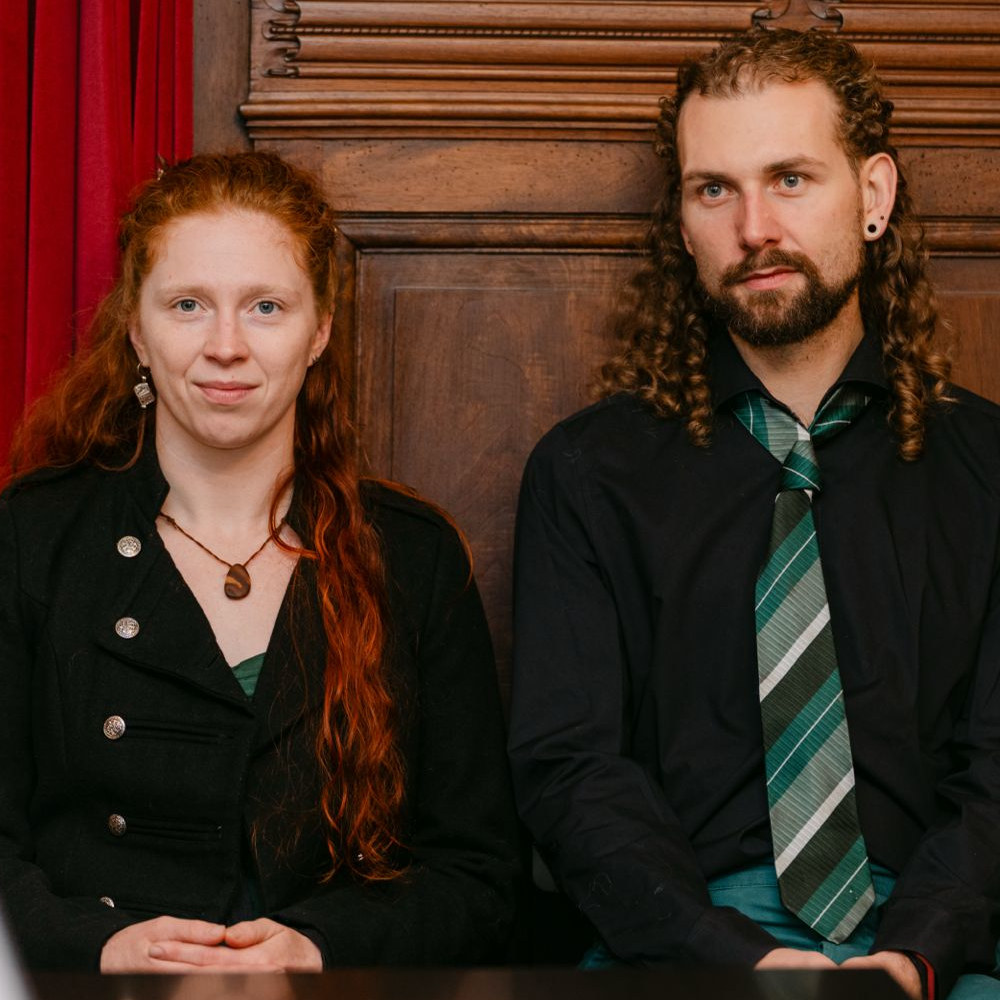
Emily & Tim are two enthusiastic balfolk and partner dance teachers from Belgium who love sharing their passion for movement, learning, and connection.
Emily is an intuitive and playful dancer who discovered balfolk by accident about eleven years ago — and never looked back. They value freedom of movement, joy, and presence, and enjoy balancing intuition with a clear, analytical approach, especially when leading. Professionally, Emily is a physiotherapist and teacher, always trying to find the perfect balance between play and learning.
Tim is a curious and energetic partner dancer with a real geeky streak. They love to analyze how things work and won’t let go until they truly understand them. Their interests range from traditional Swedish polska to fully improvised fusion dancing. Outside the dance floor, Tim works as a scientist and teacher, where their love for didactics and learning continues to thrive.
Emily and Tim give weekly balfolk and partner dancing classes in their hometown, Leuven, and give workshops at international festivals, as part of the non-profit Heart To Feet, an organization that brings people together through dance.
Cross-step waltz
Alena Bialova
Hey, do you want something new? But simple enough to get you dancing almost immediately and add it to your balfolk repertoire? We think you'll love сross-step waltz!
CSW is fusion in the waltz family. It's a modern couple dance, whose parents are dances of the early 20th century: Boston waltz, tango, blues and foxtrot. But you will always be able to find something different and personal inside. CSW was revived in the 90s at Stanford University, and today, it is danced throughout the world.
For several years now, at balfolk festivals, you can see several couples whirling around the hall in a waltz... to the music of a mazurka, for example! And that's it, the magical cross-step waltz :)
"There are no mistakes – there are variations.” = the main rule of cross-step waltz!
Schedule:
- 11:00-12:00 In the first half of the workshop, we will learn (or refresh our memory of) the basic elements of cross-step waltz.
- 12:00-13:00 More arms! Several interesting figures using arms, suitable for limited space on the ballroom floor :)
This workshop is open also to the public.
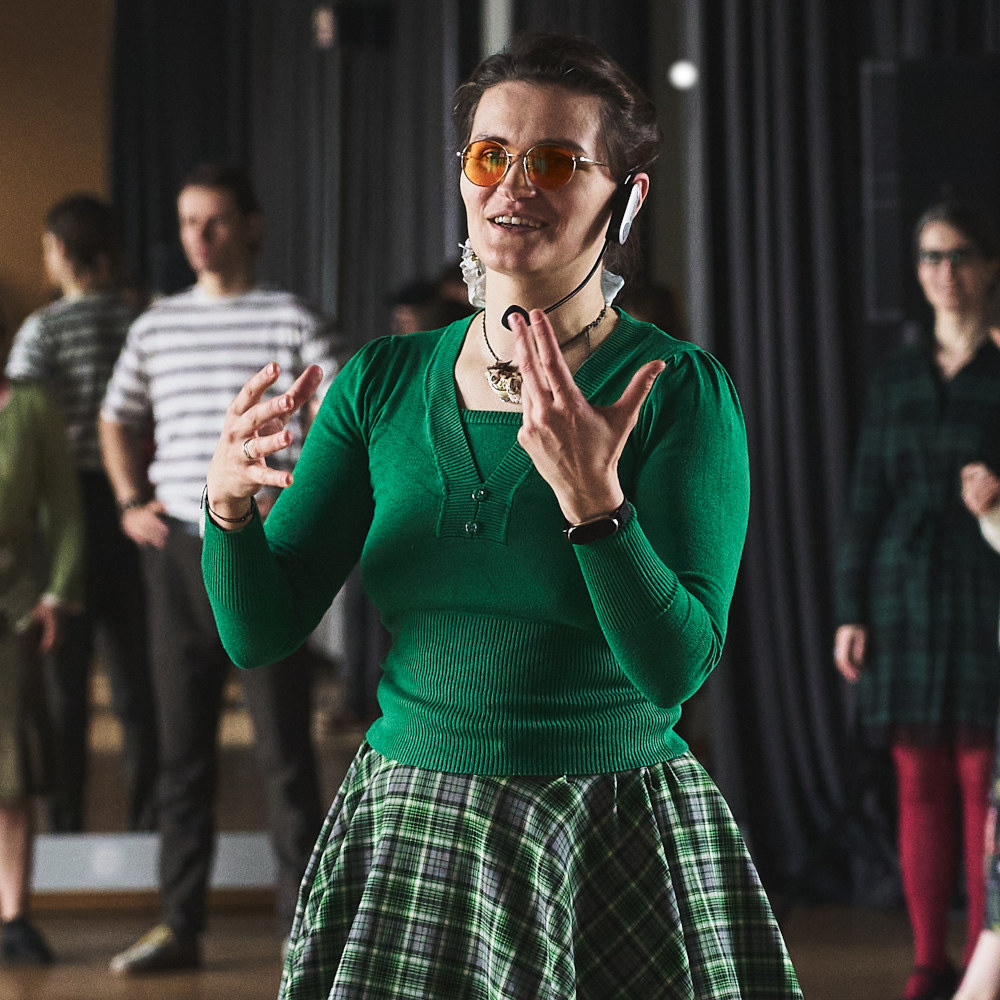
Alena Bialova started teaching dance as a teenager so she could have dance partners :) Starting with balfolk and celtic dances, she has danced in different periods of her life Irish and Scottish sport and folk dances, historical ballroom dances (country dances, quadrilles, waltzes etc.), balfolk, blues, tango, fusion. Since 2019, she has been actively involved in the development of cross-step waltz in Western Europe and has conducted workshops in Poland, the Czech Republic, Lithuania, Germany, Belgium, and the Netherlands.
Alena likes cross-step waltz for the fact that anyone can start dancing at the first workshops. At the same time, even most experienced dancers always have room to develop and invent their own variations.
From Gay to Fancy
Mikuláš Bryan
This workshop is about showing off, and doing it right.
Yes, yes, we know: bal folk should actually be about being together, sharing energy, and creating a strong collective experience. But some people are natural show-offs who love doing elaborate steps to impress others. It’s a wrangle that’s been going on since the 16th century, when down-to-earth branles like the branle gay started getting embellished with fancy elements borrowed from the gaillarde and other court dances. And it continues today, when people throw variations in their kost ar c’hoat (usually the wrong way).
To resolve this ongoing feud, we’ll go through some simple dances, explore the elements that can enhance them, and build up to more complex bal folk forms like dañs Keff. All while keeping in mind that staying connected with everyone else and not disturbing the flow is rudimentary. Without it, being fancy is just rude.
The capacity is limited, you can register on Friday during the evening at the reception.

Mikuláš Bryan has been sharing his love for dancing since 2003, with teaching experience ranging from small, focused workshops to classes for several hundreds people at festivals like Gennetines or Boombal. He studied folk dancing in Brittany, dancing and performing with Cercle Celtique de Rennes, but also took a deep dive into couple dancing at several blues camps. His other dancing background consists of tango, swing, salsa and balboa with occasional jazz and contemporary workshops. While approaching every dance with deep respect for its roots and traditions, he always aspires to expand its horizons and create a bridge between tradition and modernity. Also, he likes to sing.
Lifts and dips in Balfolk
Emily & Tim
With extra attention to pain-free use of your body/back.
How to spice up couple dances with acrobatic/counterbalance elements while keeping yourself, your partner and the people around you safe. We will focus on posture and biomechanics. Tim and Emily have experience with acrobatics and Emily is a physiotherapist, giving them insights into biomechanics and posture.
Who is this for?
This workshop is for dancers who want to add lifts and dips to their couple dances, while keeping themselves, their partners and other dancers safe. You need a good portion of body awareness, need to know your own physical boundaries and must have very solid basics in balfolk couple dances in order to attend this workshop.
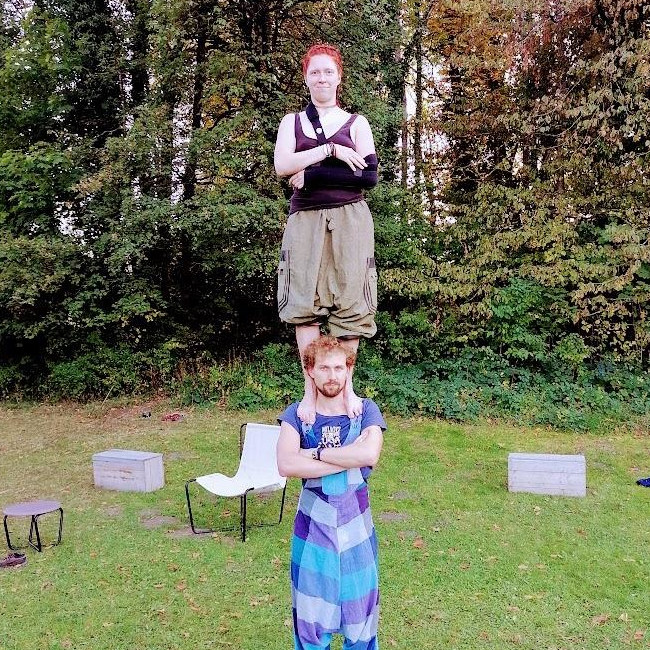
Emily & Tim are two enthusiastic balfolk and partner dance teachers from Belgium who love sharing their passion for movement, learning, and connection.
Emily is an intuitive and playful dancer who discovered balfolk by accident about eleven years ago — and never looked back. They value freedom of movement, joy, and presence, and enjoy balancing intuition with a clear, analytical approach, especially when leading. Professionally, Emily is a physiotherapist and teacher, always trying to find the perfect balance between play and learning.
Tim is a curious and energetic partner dancer with a real geeky streak. They love to analyze how things work and won’t let go until they truly understand them. Their interests range from traditional Swedish polska to fully improvised fusion dancing. Outside the dance floor, Tim works as a scientist and teacher, where their love for didactics and learning continues to thrive.
Emily and Tim give weekly balfolk and partner dancing classes in their hometown, Leuven, and give workshops at international festivals, as part of the non-profit Heart To Feet, an organization that brings people together through dance.
Linocut. Carve your own bogeyman, or how to tame your ghosts :)
Ola
An exceptional experiential workshop.
In addition to dancing, you can also immerse yourself in the magical technique of linocut. This art workshop is ideal also for complete beginners — no previous experience is necessary, just curiosity and a desire to create.
Topic: bogeymen, ghosts, and protectors inspired by personal stories, childhood fears, and Slavic and Greenlandic legends. This workshop will take you into a world of stories featuring mysterious characters with unique qualities. Bogeymen, ghosts, protectors — each of us carries them within ourselves in different ways. Together, we will look at our strengths and weaknesses, face them, name them, and give them shape. With humor, we will give shape to our shadows on the path to self-discovery.
During 2.5 to 3.5 hours (depending on the pace of work), we will work with the linocut technique. Each participant will create their own original matrix and try out the entire printing process from the very beginning to the final outcome. You can look forward to the joy of discovery, concentration, and surprise at what you can create with your own hands. There will be plenty of topics to explore—and even more room for imagination. You will take your own bogeyman home "in a bag." :)
The capacity is limited, you can register on Friday during the evening at the reception.
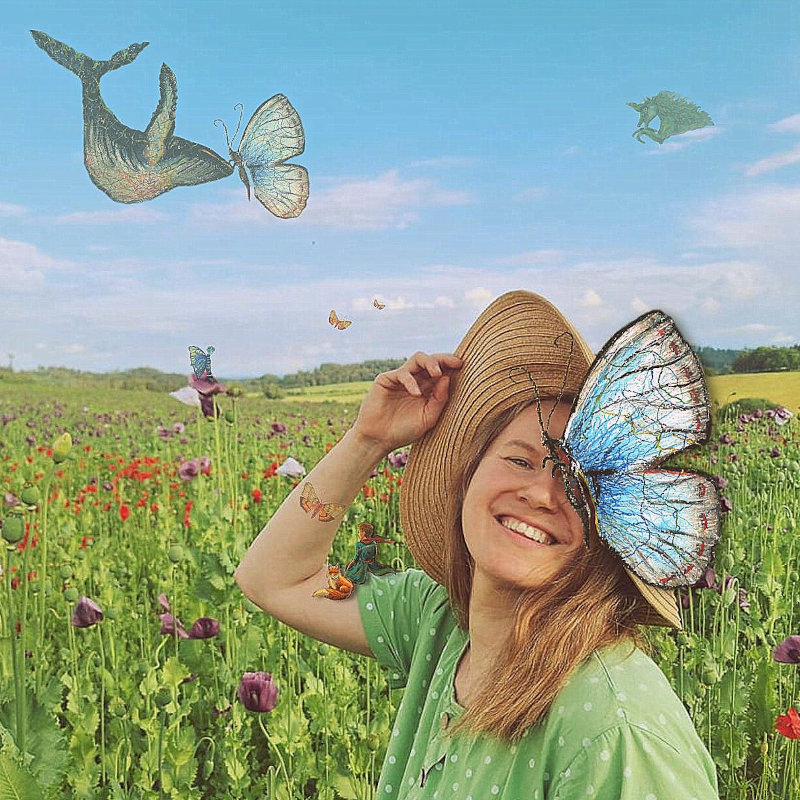
Ola is an artist and lecturer who believes that art has the magical ability to transform —sometimes subtly, sometimes with a real "wow effect." She has completed a number of art and self-awareness courses and has long been combining visual art with artephiletics and art therapy. She believes that creativity is not only about the result, but mainly about the journey to oneself.
This year, she is teaching across generations — from little kindergarten explorers, through elementary art school and high school students, to seniors who prove that creativity has no age limit. In addition, she leads creative workshops where she is not afraid to gently nudge the imagination, open the door to the inner world, and have a laugh along the way. She loves stories and traveling — especially through the world of imagination, where anything is possible. Her work often features caterpillars and butterflies, demons and heroes, who remind her that transformation can be adventurous, sometimes a little chaotic, but always beautiful. :)
You can find her work on Instagram: @aleksandra_porada_art or @kreativni_stodola.
Not the regular irregular waltz
Šedý
Most waltzes are played in 3/4 time signatures (known as 3-time waltzes), with 5-times and 8-times also being quite common. But that's not where the creativity stops! Would you like to figure out how to dance a 13/4 waltz, a waltz with a bridge, or the dreaded Fibonacci Waltz?
Then come and learn a few tricks that will help you waltz in any time signature. Also, at any speed. The number of beats in the music does not necessarily equal the number of steps that you want to dance.
This workshop is open also to the public. However, note that this is an advanced topic. Our time is limited, and we won't be able to go through the basics. If you are not already comfortable with the usual 3-times waltz, you may have a hard time dancing in other signatures.
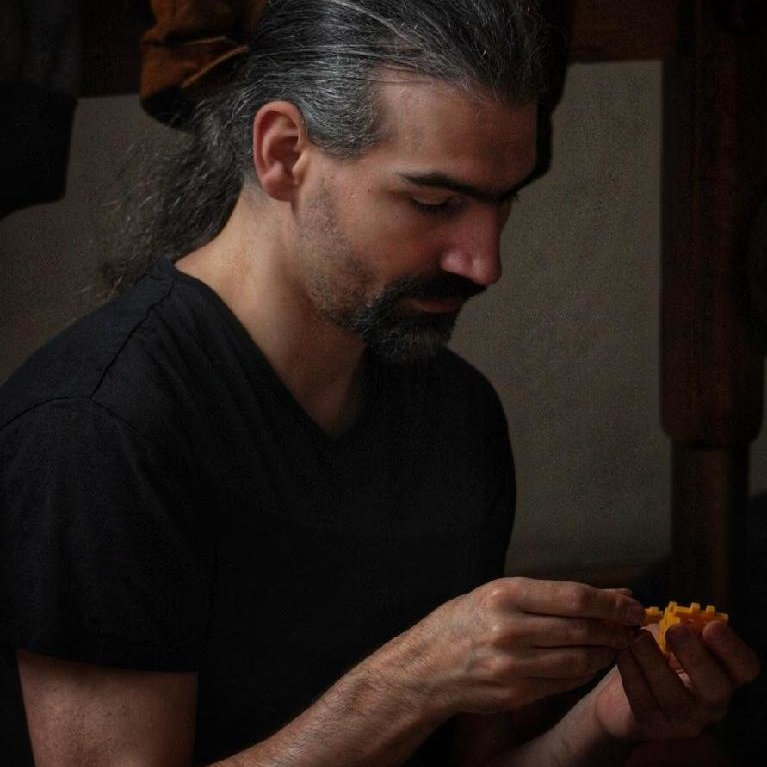
Grey believes that the human body uses the same elements in all styles of dancing – and that these elements are transferrable from one style to another. After twenty years of experience with a broad spectrum of dances, he takes great pleasure in fusing a bit of tango into miserlou, a bit of microdancing into mazurka or a bit of blues into scottish impaire.
He often does quite the same thing also when teaching others, bringing building blocks from other dances and sharing them with anyone willing to listen. He's usually doing that in Polish Kraków, but he has already spread these techniques in Brno and in Germany, too.
Rhythms of Bretagne
Anna Látalová
Where does your rhythm live? Does it stay put or bounce around? Is there just one, or a whole gang of them? Do they need a little taming? Let's take a closer look.
We'll listen closely to the rhythms of Breton dance music, uncover their layers, and let them meet our bodies, settling in – like ocean waves reaching the shore. Does each wave roll differently? Perhaps. But can the sea ever lack harmony?
This workshop is open also to the public
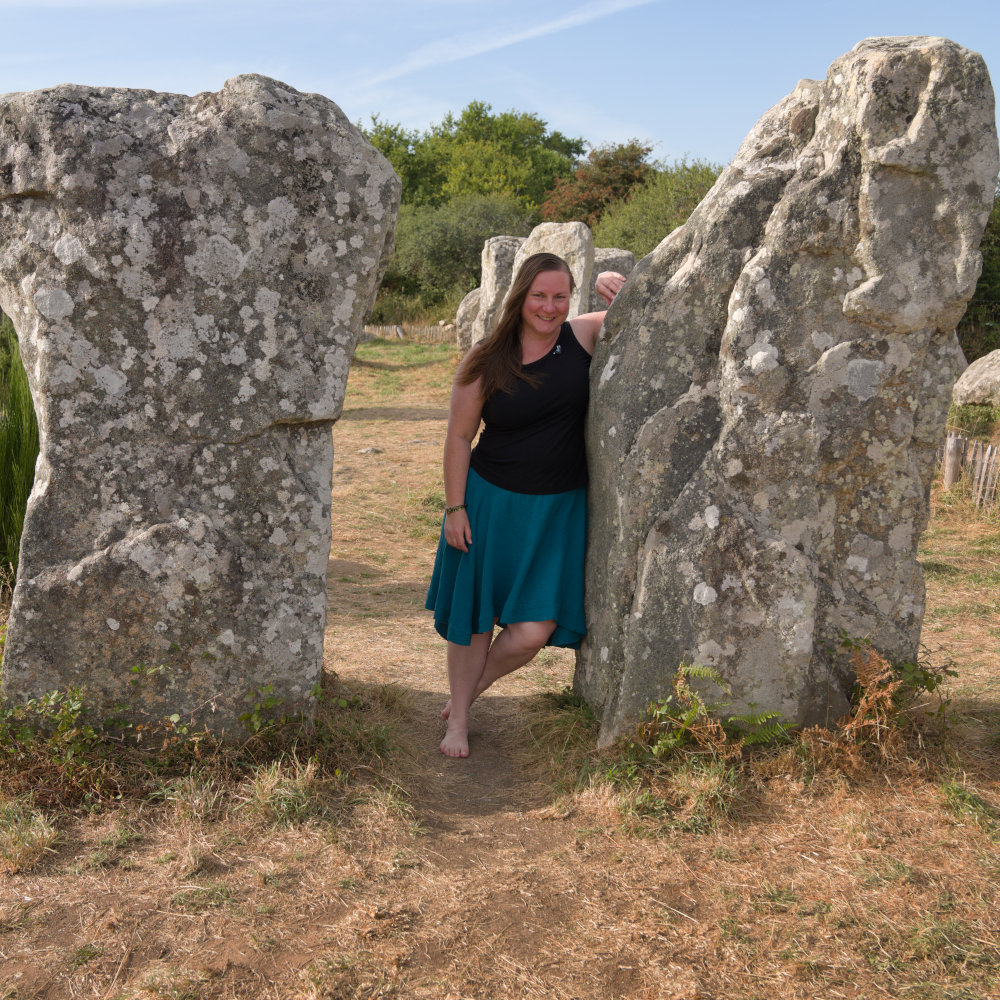
Photo by Samuel Zigo
Anna Látalová has explored various dance styles over her 29-year journey, gravitating most towards social dances with folk origins. Since 2015, she has focused on balfolk and Breton dances in Brno as a founding member and teacher of the Ton Simple dance club.
Anna believes that everyone can dance, and she will tirelessly convince you that this includes you. She considers Vincent Laine, Mikuláš Bryan, Mary McElroy, and Anne Kennedy to be the most influential figures in her dance journey. Her most valuable experiences come from the well-worn dance floors of Brittany, where she returns whenever possible.
Spinning around the dance floor – the Lithuanian way
Eivilė
Bored of dancing in the same spot? Let’s travel around the dance floor together! We will turn, spin, and connect in a way Lithuanians traditionally did, discovering simple secrets that make the movement feel natural and effortless.
Come and explore partner connection through endless swivels and get a glimpse into Lithuanian dances. Open to all levels — it all starts from walking.
This workshop is open also to the public.
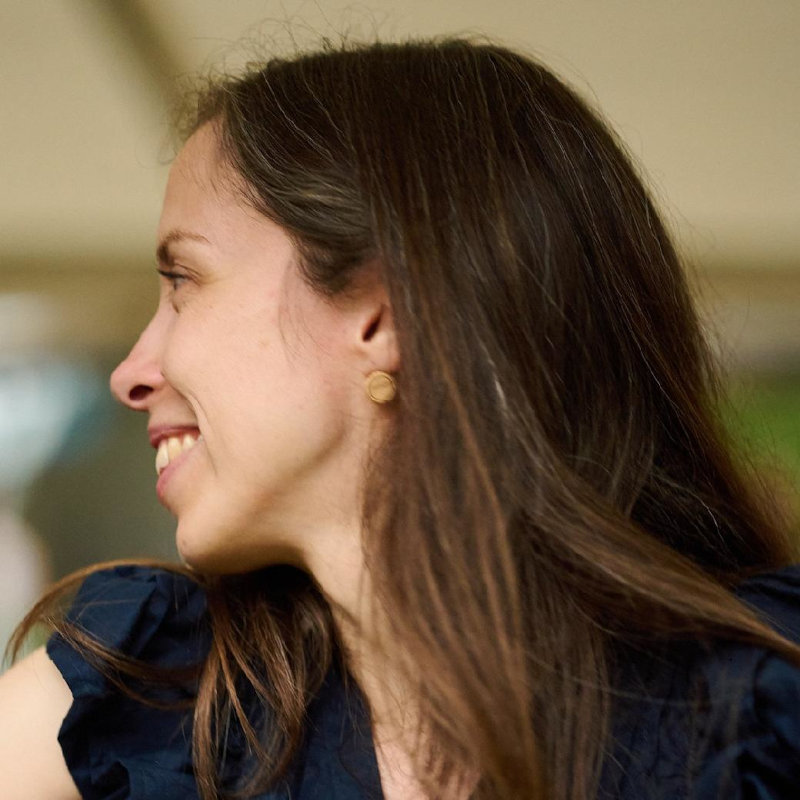
Photo by Robertas Pledas
An anthropologist at heart and dance teacher, Eivilė grew up immersed in Lithuanian traditional culture, which shaped her path and continues to guide her work. She enjoys digging into the technical side of tradition while keeping it an open, playful communal experience. Through dance and song, she creates spaces for honest encounters – where tradition becomes a shared experience rather than a performance.
Trip to Mediterranean II
Gianmarco Armellin
We will learn some intermediate dances of Macedonian, Albanian, Greek, Jewish and related origins. The workshop is open to everybody but some experience with folk dances might help.
This workshop is open also to the public.
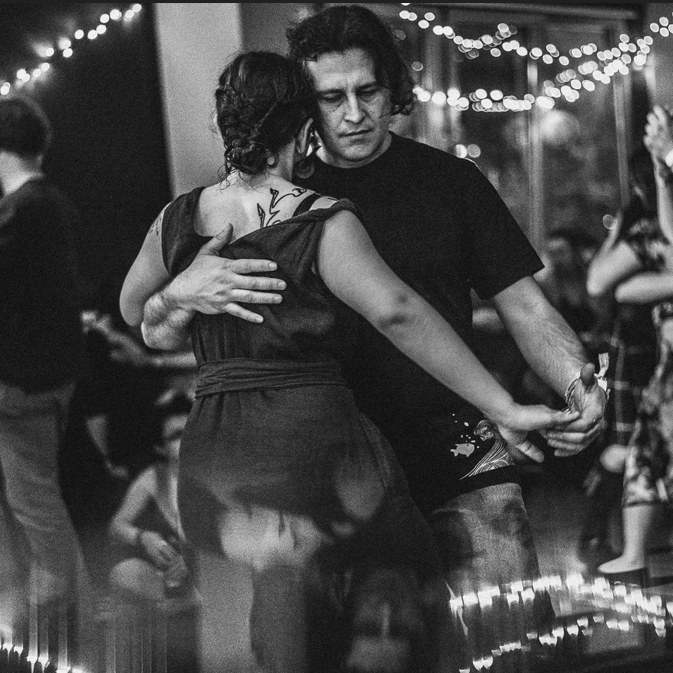
For many years, Gianmarco Armellin has been taking care of the fact that on the Czech balfolk scene, dances from cold Brittany are balanced with those of the warm Mediterranean. He is also a long-time organizer of Prague mazurka clandestina.
Voices from the Past: A Communal Experience
Eivilė
This music workshop is not about vocal technique, but about shared presence. Together, we will sing Lithuanian songs, exploring layers of culture, memory, and ways of being together that still resonate today. It is a space to connect — to the past, to the group, and to ourselves — simply as we are, through voice or just a silent presence, so don't be afraid to join if you do not consider yourself a singer!
This workshop is open also to the public.
Photo by Robertas Pledas
An anthropologist at heart and dance teacher, Eivilė grew up immersed in Lithuanian traditional culture, which shaped her path and continues to guide her work. She enjoys digging into the technical side of tradition while keeping it an open, playful communal experience. Through dance and song, she creates spaces for honest encounters – where tradition becomes a shared experience rather than a performance.
Singing to dancing: Back to when things were better
Mikuláš Bryan
When dancers act also as musicians, you suddenly get a completely different experience. Come and find out how it felt in those golden times when people used to be closer to each other, Spotify didn’t exist and the nearest bagpiper (living three villages away) had just died of the plague.
We will sing in different languages, but in a relaxed pace, so that we can learn comfortably. The only prerequisite is to be able to count from one to ten. Backwards.
The capacity is limited, you can register on Friday during the evening at the reception.
Mikuláš Bryan has been sharing his love for dancing since 2003, with teaching experience ranging from small, focused workshops to classes for several hundreds people at festivals like Gennetines or Boombal. He studied folk dancing in Brittany, dancing and performing with Cercle Celtique de Rennes, but also took a deep dive into couple dancing at several blues camps. His other dancing background consists of tango, swing, salsa and balboa with occasional jazz and contemporary workshops. While approaching every dance with deep respect for its roots and traditions, he always aspires to expand its horizons and create a bridge between tradition and modernity. Also, he likes to sing.